
Learn About Nutritional Lithium
for Mental Health
Educating visitors about low-dose lithium for mental health, treating traumatic brain injury, and the goals of the Lithium Inflammation Psychiatry (LIP) research study at the Karolinska Institute.
Learn About Nutritional Lithium
for Mental Health
Educating visitors about low-dose lithium for mental health, treating traumatic brain injury, and the goals of the Lithium Inflammation Psychiatry (LIP) research study at the Karolinska Institute.
Learn About Nutritional Lithium for Mental Health Treatment and Recovery

About Nutritional Lithium for Mental Health
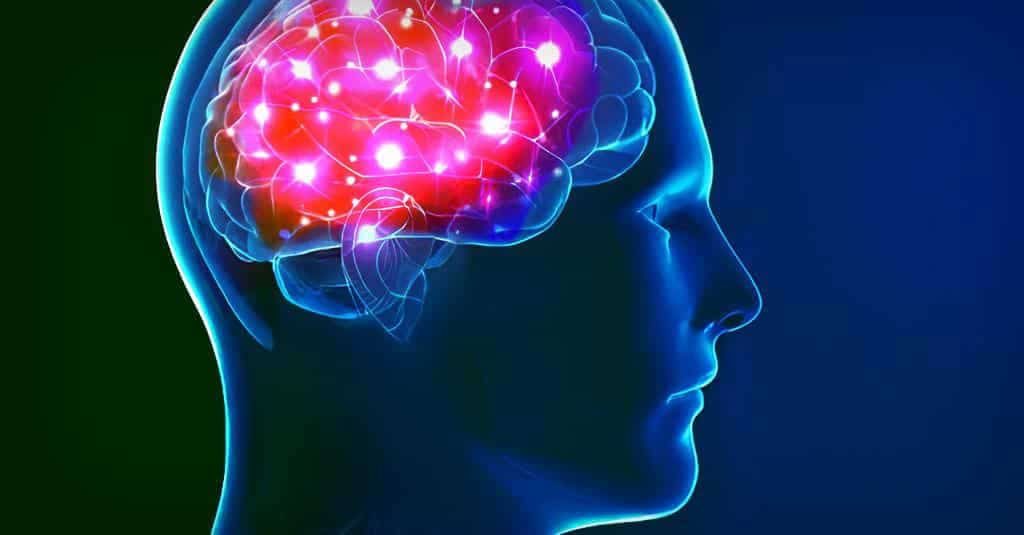
In recent years, low-dose lithium has gained recognition as a promising ally in psychiatric diagnosis, treatment, and recovery outcomes. This site aims to educate visitors about low-dose lithium for mental health, including biomarkers for brain and mental disorders.
This includes addiction treatment and recovery, lithium deficiency and the onset of Alzheimer’s Disease and dementia, as well as nutritional lithium for potentially reducing suicidal thoughts and suicide prevention.
Additionally, microdoses of lithium for therapeutic targeting of GSK-3, and research findings on its neuroprotective properties and use in treating concussions, neuroinflammation, and traumatic brain injury (TBI) for athletes, military personnel, and the general public.
What Does Nutritional Lithium Treat?
Traditionally used to treat bipolar disorder, lithium is increasingly studied for emotional regulation, cognition, mood enhancement, and neuroprotection. In low doses, lithium can support various mental health conditions and may act as an anti-inflammatory.
It is a naturally occurring mineral found in food and water. As a metal and salt that conducts and stores energy in the brain, increasing natural lithium levels can better distribute neuronal energy and inhibit aging enzymes like GSK-3. Balanced energy promotes a positive mood, supports brain detoxification, and enhances overall emotional wellness. Research findings about low-dose lithium for mental health show promise for developing high-impact, low-cost treatment regimens for cognitive enhancement, mood improvement, neuroprotection, behavioral benefits, mental resilience, stress management, and recovery support.
Conditions with the strongest clinical evidence for low-dose lithium include mood disorders, such as bipolar disorder and depression, reduced risk of suicidal thoughts, and stabilization of emotional regulation. Additionally, it has neuroprotective properties and potential treatment applications for concussions, neuroinflammation, and traumatic brain injury (TBI).
Some studies suggest potential benefits for cognitive decline and prevention of neurodegenerative conditions, but this is an active area of research and results are not yet definitive. Emerging and more experimental indications under investigation include support for post-Covid-19 symptoms, Alzheimer’s disease prevention, management of addiction or overuse of alcohol, cannabis, nicotine, and benzodiazepines, as well as improvement of anxiety, stress, self-destructive behavior, sleep issues such as difficulty falling and staying asleep, aggression, and impulsivity.
In addition to its psychiatric applications, lithium may offer neuroprotective benefits and support brain aging. Early studies suggest it could improve cardiovascular health, musculoskeletal function, and metabolic health, while aiding inflammatory and antioxidant processes. However, more research is needed to confirm these effects.
Clinicians should weigh the existing evidence for each intended use and remain aware that many potential indications for low-dose lithium remain experimental.
How Does Nutritional Lithium Treatment Work?
Early findings on low-dose lithium for mental health show promise in clinical studies for mild cognitive support, mood stabilization, and neuroprotection. Doses range from 1 to 5 mg per day, far below traditional psychiatric levels. This small amount aims to support brain health with fewer side effects.
- More than one in five American adults lives with a mental illness, and those rates are on the rise. Low-dose lithium may enhance mental health by improving anxiety and sleep patterns, reducing self-destructive behavior, or slowing brain aging.

Safe Dosages of Nutritional Lithium for Everyday Use
When safely prescribed in low dosages, clinical trials and studies on the mental health benefits of standard lithium or lithium orotate, a supplement form, are gaining attention as innovative ways to improve mental health and augment traditional therapies.
Prescription lithium typically involves doses of 150 milligrams or less of lithium carbonate. Depending on the condition, low-dose lithium may be prescribed alone or with an antidepressant.Although low-dose lithium is generally well tolerated, monitoring is still recommended to support safety.
Even at lower doses, individuals may rarely experience side effects such as mild gastrointestinal discomfort, increased thirst, or slight changes in thyroid or kidney function. For this reason, healthcare providers may periodically check renal and thyroid function, especially with ongoing or higher-dose use. Consulting a healthcare professional and following appropriate monitoring can help ensure that low-dose lithium remains a safe addition to mental health care.

Gaining Empirical Data About Nutritional Lithium for Mental Health and the Public Health Implications of the Lithium Inflammation Psychiatry (LIP) Research Study
Dr. Sudhir Gadh and the Karolinska Institute team of global neuroscience leaders aim to advance evidence-based, cost-effective research into low-dose lithium, the HILL model for concussion treatment, and precision psychiatry. The LIP study is among the first to investigate how low-dose nutritional lithium may support brain health, resilience, and inflammation regulation.
The study’s objectives about low-dose lithium for mental health include:

- Establishing clear data on low-dose lithium carbonate as an inexpensive generic medication, where intensive laboratory monitoring is less necessary.
- Demonstrating how low-dose lithium may reduce reliance on multiple costly medications such as antipsychotics, antidepressants, and sedatives.
- Validating that reducing psychotropic medications to a single, safe dosage decreases risks such as metabolic syndrome, sedation, and cognitive impairment, reversing functional decline while maintaining wellness and self-empowerment, and minimizing cumulative side effects that result in fewer emergency room visits and inpatient admissions.
- Confirming initial findings that patients are more likely to maintain wellness and functionality in work, family, and social life.
Microdosing Lithium for Stress and Recovery
Low-dose lithium is emerging as a multifaceted tool in mental health promotion. By enhancing emotional regulation and cognition, and offering neuroprotective benefits, this mineral presents a promising option for those seeking to improve overall mental well-being. As research unfolds, the potential of low-dose lithium continues to inspire hope for lasting mental health improvements.
Outcomes about low-dose lithium for mental health may serve as a foundation for new practices.
- Emotional Regulation: One of the most significant benefits of low-dose Lithium is its ability to help regulate emotions. Various studies have indicated that Lithium can stabilize mood and reduce emotional volatility, making it an essential tool for those struggling with conditions such as anxiety or depression. By smoothing emotional peaks and valleys, individuals may experience greater equilibrium in their daily lives.
- Cognitive Enhancement: In the quest for cognitive preservation, low-dose Lithium has shown positive effects on brain function. Research suggests that this mineral may enhance cognitive abilities and even protect against neurodegenerative diseases, such as Alzheimer's. By fostering brain health, low-dose Lithium can help individuals maintain their mental acuity as they age.
- Mood Improvement: The mood-enhancing properties of Lithium are well documented, with studies showing it can elevate mood and promote well-being. This benefit can be beneficial for those experiencing chronic stress or depressive symptoms. Adding low-dose Lithium to a broader wellness regimen can provide an extra layer of support.
- Neuroprotection: Lithium has been linked to neuroprotective effects, which means it helps safeguard brain cells from damage. This aspect is especially crucial as we age or face increased stressors. By supporting overall brain health, low-dose Lithium may play a vital role in preventing cognitive decline.
- Behavioral Benefits: Research indicates that low-dose Lithium may also improve behavior, promoting a sense of calm and reducing impulsivity. This can be especially beneficial for people facing behavioral challenges or seeking to strengthen their overall mental resilience.
LIP Study News & Announcements
The LIP research findings about low-dose lithium for mental health are vital for future developments in the field and hold great promise in transforming patient care. Low-dose lithium is emerging as a multifaceted tool in mental health promotion. By enhancing emotional regulation and cognition and offering neuroprotective benefits, this mineral presents a promising option for those seeking to improve overall mental well-being.
As research unfolds, the potential of low-dose lithium continues to inspire hope for lasting mental health improvements.Details emerging from Lithium Inflammation Psychiatry (LIP) can help lay the groundwork for new practices.
Please consider donating to these important initiatives. Your donation will directly support this research and assist in developing evidence-based treatments for mental health and inflammation-related disorders.

Read the Lithium Inflammation Psychiatry (LIP) Study (PDF)
A Double-Blind, Placebo-Controlled, Crossover Study.

Health Effects of Nutritional Lithium: A Systematic Review
See the latest Articles and Posts about the LIP Study.

Nutritional Lithium Research Team from the Karolinska Institute
Meet the LIP research team from the Karolinska Institute